
 See Our Latest Article on HelloNation

Can Back Pain Mean Something More Serious?
Most residents experience back pain at some point, often from daily activities like shoveling after a snowstorm, gardening, or lifting heavy objects around the home. Although most back pain improves with self-care and rest, there are situations where the underlying cause could be more serious.
Knowing how to identify warning signs and when it's time to seek medical care helps keep minor issues from turning into bigger health concerns. Here’s what local residents should look for — and why certain symptoms call for extra caution.
What Signs Suggest Back Pain Is More Concerning?
Back pain becomes a bigger concern when it’s linked to specific symptoms or situations.
- Pain after a high-impact accident, fall, or direct injury (such as slipping on ice in a Red Hook winter)
- Noticeable, unexplained weight loss along with back pain
- Pain that gets worse at night or prevents sleep, especially if lying down makes it worse
- Weakness, numbness, or tingling in the legs or feet
- Loss of bladder or bowel control
- Fever, chills, or a general feeling of illness alongside back pain
Any of these signs suggests a cause beyond basic muscle strain. These symptoms could be linked to nerve compression, infection, or rare but serious medical conditions that require evaluation.
When Is Leg Weakness or Numbness an Emergency?
Leg weakness or numbness combined with back pain should never be ignored.
When nerve roots become compressed — such as with a herniated disc or spinal stenosis — the ability to move or feel sensations in the lower body can be affected. This may appear as:
- Difficulty lifting the foot (foot drop)
- Sudden trouble walking or balancing
- Numbness spreading to the inner thighs or groin (often described as "saddle numbness")
Such symptoms can progress quickly and mean nerves controlling muscles and bladder/bowel function are at risk. Immediate medical care can help prevent lasting damage or disability.
How Serious Is Back Pain With Changes in Bladder or Bowel Habits?
A sudden inability to control urination or bowel movements, especially when paired with back pain and numbness in the inner thighs or lower body, is a medical emergency. This pattern is sometimes related to cauda equina syndrome, a rare but dangerous nerve issue. Delaying treatment can result in permanent loss of function.
Can Fevers and Illness Link to Back Pain?
Fever with back pain is uncommon for typical strains or sprains. If both develop together, especially along with night sweats, chills, or feeling unusually weak, it could signal an infection in the spine, a kidney issue, or even a bloodstream infection. This requires urgent medical attention, especially for residents with a weakened immune system.
Do Certain People in Red Hook Face Higher Back Pain Risks?
Certain groups in the community face increased risk for serious causes of back pain:
- Older adults, especially those who have osteoporosis or take medications weakening bones
- Residents with recent invasive procedures or infections
- Those with a history of cancer, since some cancers can spread to the spine
- People with immune suppression, including those taking steroids or fighting chronic illnesses
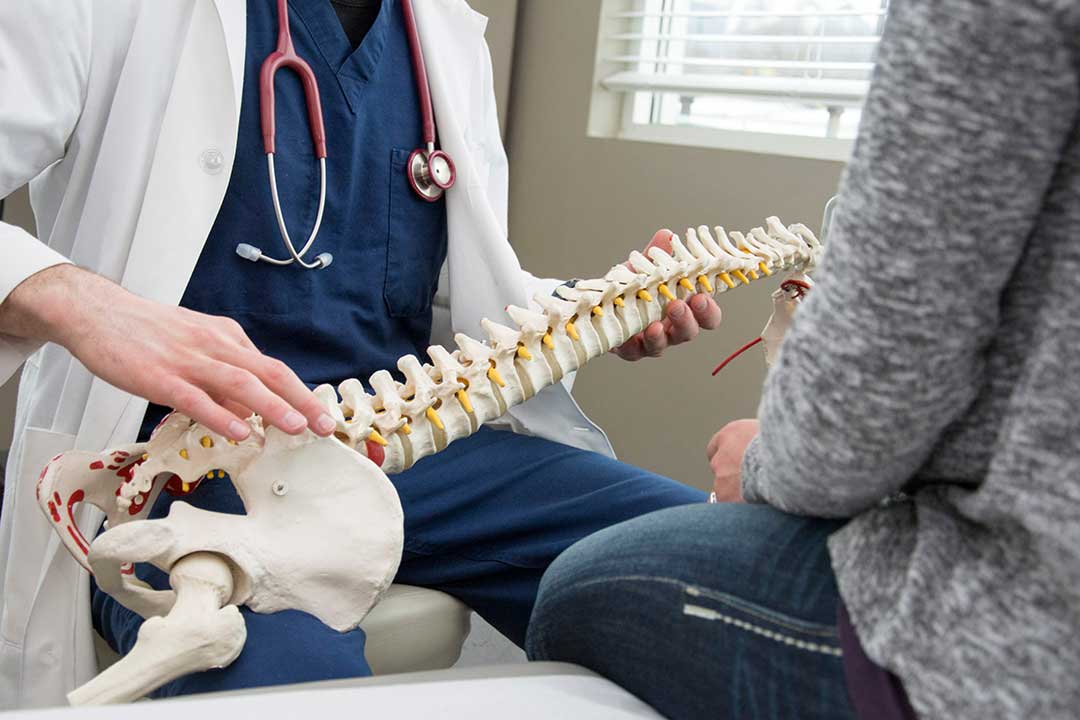
Understanding personal risk factors helps area households decide when new back symptoms are more than a seasonal ache or overuse from home improvement work.
How Can You Tell Normal Soreness From a Spinal Emergency?
Back pain after local activities like stacking firewood or home renovations usually fades with rest and gentle movement. However, pain that is intense, unrelenting, or very different from previous episodes may signal something more complex.
Key differences:
- Normal soreness responds to rest, stretches, and gradual return to activity
- Spinal emergencies may cause increasing pain unaffected by position or movement
- Pain waking you from sleep, especially if steadily getting worse, should not be ignored
Could Delaying Care Worsen Outcomes?
Some people hope back pain will resolve with time, but waiting in the face of red-flag symptoms can increase risk for complications. For instance, nerve compression can cause permanent weakness or numbness if treatment is delayed. Infections and tumors are less common, but early detection improves treatment options if these are the cause.
Are There Local Factors That Affect When to Seek Help?
Seasonal weather, local recreation, and older homes in the area can all influence risks. For example, slippery sidewalks in winter make falls more common, and some area homes have steep stairs that challenge mobility. Residents recovering from icy falls or who develop back pain with fever after outdoor chores may need specific checks for injury or infection.
What Do Most People Get Wrong About Serious Back Pain?
A common misconception is that all back pain comes from overuse or muscle strain. In reality, certain signs — like leg weakness, bowel or bladder changes, ongoing night pain, or new onset with cancer history — usually involve more than sore muscles. Another mistake is attributing persistent pain after a fall to “just bruising,” when fractures or hidden injuries remain possible, especially for older adults.
Understanding these signs lets local individuals advocate for their health and get the right kind of care when it’s truly needed.
