
 See Our Latest Article on HelloNation
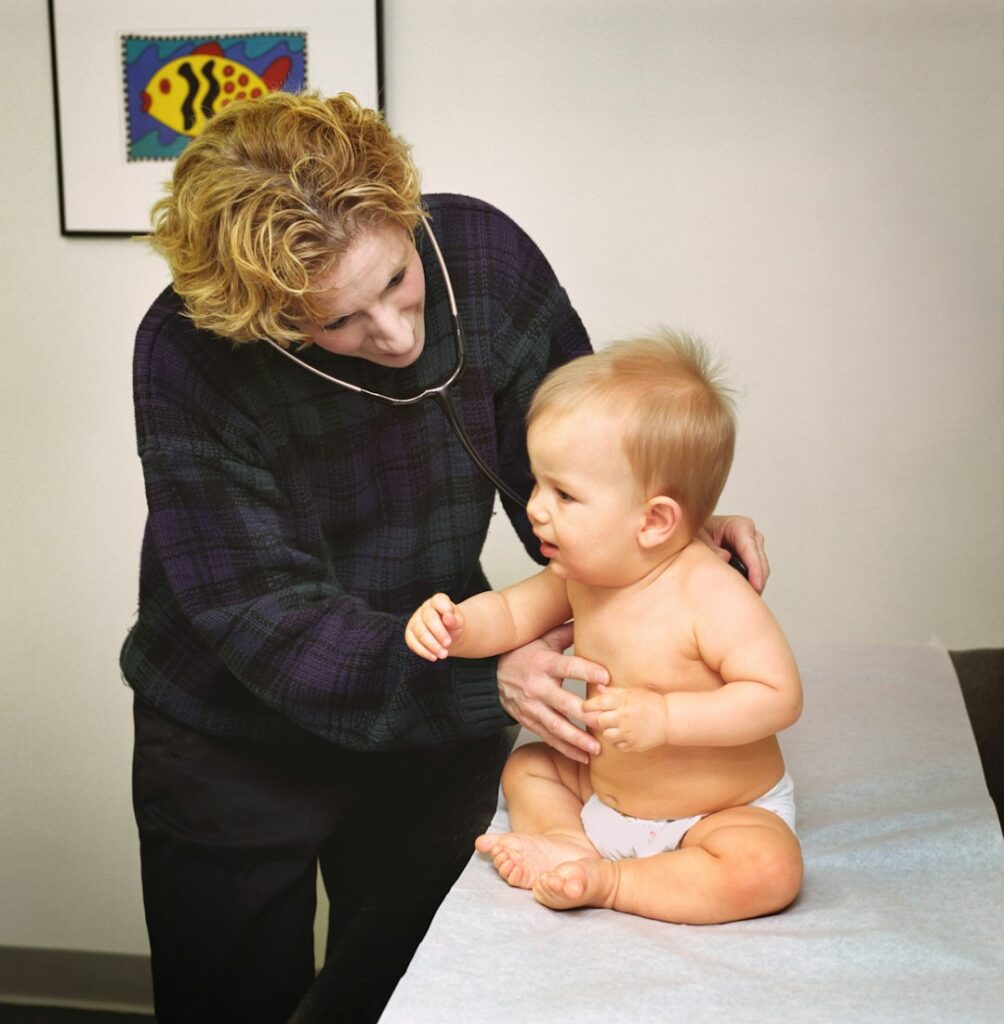
Chiropractic care for children is not automatically unsafe, but it should not be treated as risk-free or appropriate for every child. The answer depends on the child’s age, symptoms, diagnosis, medical history, and the type of technique being considered.
For families in Red Hook, decisions may arise after a sports injury, a fall, recurring back discomfort, or concerns about posture. A careful approach starts with an accurate medical evaluation and a clear understanding of what chiropractic treatment can and cannot reasonably address.
What does chiropractic care involve?
Chiropractic care may include hands-on examination, movement exercises, soft-tissue work, joint mobilization, or spinal manipulation. Spinal manipulation uses a controlled force to move a joint, while mobilization generally uses slower movement within the joint’s normal range.
Treatment for a teenager with activity-related back pain may look very different from care proposed for an infant. Children are not simply smaller adults. Their bones, joints, connective tissues, and nervous systems are still developing, so the force, technique, and body area involved should be adjusted for age and physical maturity.
Parents should ask exactly what is being proposed rather than assuming that every form of chiropractic care involves the same level of force.
Is spinal manipulation safe for children?
For healthy children, chiropractic treatment may produce temporary effects such as soreness, stiffness, discomfort, or headache. These symptoms are often mild and short-lived. However, serious complications have been reported, even though they appear to be rare and are difficult to measure accurately.
The greatest concern involves forceful, rapid, or rotational movements, particularly involving the neck. Pediatric experts have cautioned that high-velocity neck manipulation may carry avoidable risks, especially in infants and very young children.
Safety research in children is also limited. That means “rare” should not be interpreted as “impossible,” and it can be difficult for families to compare the risks and benefits with confidence.
A child should not receive manipulation simply because it is promoted as a general wellness measure or as a way to prevent unrelated diseases.
What conditions might be considered?
The strongest reason to consider manual treatment is usually a musculoskeletal complaint, such as back discomfort, joint stiffness, or a sports-related problem. Even in these situations, evidence in children and adolescents is more limited than evidence for adults.
Chiropractic care has not been shown to replace standard treatment for infections, asthma, seizures, developmental conditions, attention disorders, digestive diseases, or other internal medical problems. Evidence is especially weak for using spinal manipulation to treat non-musculoskeletal concerns in infants and children.
Claims that an adjustment can improve immunity, correct a broad range of childhood illnesses, or take the place of vaccination and medical care should be viewed with caution.
For infants, evidence is insufficient to support spinal manipulation for common concerns such as colic, feeding problems, excessive crying, or sleep difficulties. These symptoms can have many causes and may require evaluation by a pediatric medical provider.
When should a child be evaluated medically first?
A medical evaluation should come before manual treatment when a child has symptoms that could signal an illness, fracture, neurological problem, or other condition requiring a different form of care.
Examples include:
- Fever, unexplained weight loss, or unusual fatigue
- Severe or worsening pain
- Pain that repeatedly wakes the child at night
- Numbness, weakness, loss of coordination, or changes in walking
- Loss of bladder or bowel control
- A significant fall, collision, or other trauma
- Neck pain after an injury
- Swelling, bruising, or visible deformity
- A history of cancer, bone disease, bleeding problems, or immune suppression
- A known spinal condition or connective-tissue disorder
Emergency symptoms, including sudden weakness, trouble speaking, severe headache, fainting, or difficulty breathing, require urgent medical attention rather than chiropractic treatment.
What should parents ask before agreeing to care?

Parents have the right to understand the proposed treatment in plain language. Useful questions include:
- What diagnosis is being treated?
- What evidence supports this treatment for a child of this age?
- Will the neck be manipulated?
- Is the technique a gentle mobilization, exercise program, soft-tissue treatment, or a rapid thrust?
- What side effects should be expected?
- What conditions would make treatment unsafe?
- How will progress be measured?
- When would the child be referred back to a pediatric medical provider?
- Is treatment being recommended for a specific symptom or as a general wellness program?
A responsible evaluation should include a relevant health history and an age-appropriate physical examination. Parents should disclose recent injuries, medications, previous diagnoses, surgeries, headaches, neurological symptoms, and any history of bone or connective-tissue problems.
Children and adolescents should also be included in the discussion. They should be told what will happen and allowed to express discomfort or decline a procedure.
How can families make a balanced decision?
The decision is more reasonable when the goal is specific, the diagnosis is clear, the treatment is conservative, and communication with the child’s regular medical team is straightforward. Exercise instruction, activity modification, posture education, and gentle movement approaches may be considered separately from forceful spinal manipulation.
For an adolescent with uncomplicated back pain after sports or prolonged sitting, a plan emphasizing movement, strengthening, flexibility, and gradual return to activity may be more useful than repeated passive treatment. During winter, children in the area may also spend more time indoors, sit longer for schoolwork or gaming, and become less physically active. These habits can contribute to stiffness without necessarily indicating a spinal problem.
Parents should be cautious if a child is told that many unrelated symptoms are caused by a vague spinal “misalignment,” or if treatment is presented as necessary for routine health maintenance. Pressure to purchase long treatment plans, supplements, or repeated visits is not a substitute for evidence.
What is the practical answer for families?
Chiropractic care may be appropriate in limited circumstances for some older children or adolescents with clearly defined musculoskeletal problems, provided the approach is age-appropriate and conservative. The evidence is much less supportive for infants, for non-musculoskeletal conditions, and for claims involving general disease prevention.
The safest approach is to obtain an accurate diagnosis, discuss the proposed treatment with the child’s pediatric medical provider, ask whether the neck will be manipulated, and stop treatment if symptoms worsen or new neurological symptoms appear. A child’s comfort, informed participation, and access to standard medical care should remain central to any decision.
