
 See Our Latest Article on HelloNation
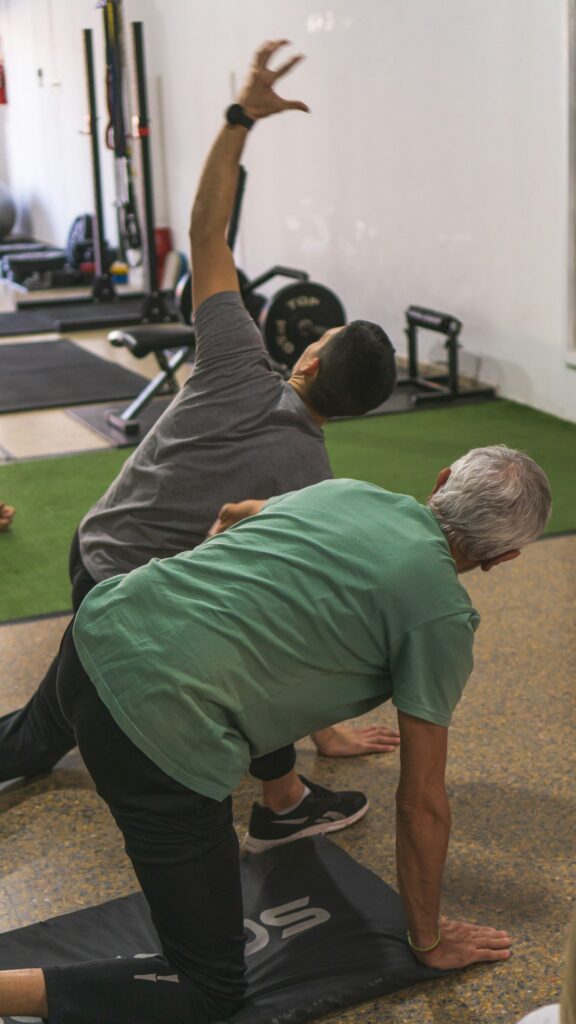
Chiropractic adjustments may help some athletes manage joint-related pain, restore comfortable movement, and support participation in a broader recovery plan. They are not a guaranteed way to improve athletic performance, prevent every injury, or replace strength training, medical evaluation, rehabilitation, sleep, or conditioning.
For active residents in Red Hook, this topic may apply to runners, cyclists, swimmers, golfers, recreational team-sport participants, strength-training enthusiasts, and people who stay active through seasonal outdoor activities. The potential value depends on the athlete’s symptoms, the cause of the problem, and whether an adjustment is appropriate for that individual.
What is a chiropractic adjustment?
A chiropractic adjustment is a hands-on technique used to apply a controlled force to a joint, often in the spine or pelvis. Some care also uses gentler mobilization, soft-tissue techniques, movement exercises, or guidance about activity modification.
The purpose is generally to improve joint motion or reduce discomfort associated with a musculoskeletal problem. An adjustment does not “put a bone back into place” in the literal sense, and the sound sometimes heard during treatment does not prove that a joint was corrected or that healing has occurred.
Athletes may seek care for problems such as:
- Activity-related low-back pain
- Neck or upper-back stiffness
- Limited hip or shoulder movement
- Joint discomfort after repetitive training
- Muscle tightness associated with altered movement
- Pain that makes ordinary exercise or sport participation difficult
A careful assessment should come before treatment. Similar symptoms can result from very different conditions, including a muscle strain, tendon injury, stress fracture, nerve irritation, disc problem, or a more serious medical issue.
Can adjustments improve athletic performance?
The evidence does not establish chiropractic adjustments as a reliable performance enhancer for healthy athletes. Some studies have found short-term changes in range of motion, muscle activation, balance, or other physical measures, but those findings do not consistently translate into faster times, greater strength, better competition results, or fewer injuries.
For an athlete without pain or movement limitations, an adjustment should not be viewed as a substitute for progressive training. Performance is more strongly influenced by sport-specific practice, strength, aerobic capacity, technique, nutrition, recovery, and adequate sleep.
A more realistic expectation is that reducing discomfort or improving movement confidence may help an athlete complete a rehabilitation or training program more comfortably. That is different from claiming that an adjustment directly increases athletic ability.
What benefits may be reasonable to expect?
Potential benefits are usually related to pain and function rather than dramatic performance changes. For some people with uncomplicated musculoskeletal pain, an adjustment may contribute to:
Short-term pain relief
Spinal manipulation is one of several nondrug approaches that may provide modest relief for some types of acute or persistent low-back pain. The effect varies, and improvement may come from a combination of manual treatment, natural recovery, exercise, and changes in activity.
Easier movement
If a painful or stiff joint is limiting rotation, bending, walking, or reaching, improved comfort may make normal movement easier. This can be relevant to activities such as swinging a golf club, running on uneven ground, lifting equipment, or turning the head while cycling.
Support during rehabilitation
Manual treatment may be used alongside strengthening, mobility work, balance training, and gradual return to activity. Exercises are usually essential because they help build the capacity needed for repeated athletic demands.
Reduced reliance on passive care
The most useful plan often shifts over time from hands-on treatment toward self-management. That may include home exercises, warm-ups, load adjustments, and strategies for recognizing when training volume is rising too quickly.
Research on low-back pain specifically in athletes has not established that spinal manipulation alone is the most effective treatment or that it reliably speeds return to sport. This is why claims of guaranteed injury prevention or superior performance should be treated cautiously.
Is an adjustment appropriate after an athletic injury?
Sometimes, but not immediately for every injury. A new injury should first be assessed according to its mechanism, severity, symptoms, and effect on function.
An adjustment may be inappropriate or delayed when there is concern about:
- A fracture or stress fracture
- Major ligament or tendon damage
- Progressive weakness or loss of coordination
- Numbness that is spreading or severe
- Loss of bladder or bowel control
- Fever, unexplained weight loss, or severe illness
- Significant trauma involving the head, neck, or spine
- A joint that is visibly deformed or unable to bear weight

Sudden severe pain after a fall, collision, awkward landing, or lifting incident deserves prompt medical attention rather than routine treatment based only on symptoms.
Neck adjustments require particular caution. Serious complications are rare, but sudden neck pain, unusual headache, dizziness, double vision, weakness, trouble speaking, or difficulty walking after an injury requires urgent evaluation.
What about concussions?
Chiropractic adjustments are not a treatment for concussion and should not be used to clear an athlete to return to play. A suspected concussion requires appropriate medical assessment, symptom monitoring, and a gradual return-to-sport progression.
An athlete should not return to practice or competition while experiencing concussion symptoms. Each stage of return should be completed without new or worsening symptoms, with oversight from a qualified healthcare provider and, when available, an athletic trainer. This is especially relevant to youth sports, collision sports, cycling accidents, and falls during outdoor recreation.
Are chiropractic adjustments safe?
Most reported side effects are temporary, such as soreness, stiffness, or a mild headache. Serious complications are very uncommon, but no medical procedure is entirely risk-free.
Risk assessment matters. An athlete should disclose medications, bone health concerns, recent injuries, neurological symptoms, prior surgery, pregnancy, and conditions that may affect bleeding or tissue strength. The neck deserves separate discussion because rare artery injuries have been reported and can resemble other urgent conditions.
A reasonable approach is to ask what problem is being treated, what alternatives exist, what improvement should be expected, and what symptoms would mean that treatment should stop or be reconsidered.
How can athletes use adjustments responsibly?
Manual care is most useful when it fits into a larger plan. Practical considerations include:
- Do not use an adjustment to mask pain before a competition.
- Keep strength, mobility, balance, and conditioning work central to recovery.
- Increase training volume gradually, especially after winter inactivity or an extended break.
- Pay attention to uneven outdoor surfaces, cold-weather stiffness, and repetitive road or trail routes.
- Stop activity when pain changes sharply, causes weakness, or alters coordination.
- Track sleep, training load, soreness, and recovery instead of judging progress by pain alone.
- Seek medical evaluation for symptoms that are severe, persistent, or progressively worsening.
For residents balancing work, school, family activities, and seasonal exercise, the goal should be durable function rather than repeated short-term fixes. Chiropractic adjustments may have a role for selected musculoskeletal complaints, but their benefits are best understood as supportive and individualized—not as a universal performance shortcut.
